Prepare a shirt-uniform order with a size breakdown, model references and an honest delivery deadline. A complete brief makes it easier to confirm the actual supplied order.
Count people and wearing frequency
Separate the number of staff from the number of shirts per person. Include any agreed extra allocation explicitly. Use the uniform quantity planner to total the entries, then attach the actual sizes and selected model to the enquiry.
Specify top-ups and packing groups
Ask whether the order needs department, branch or individual packing. Keep new starters and replacements separate from the main rollout. An estimated future top-up is useful planning information but is not a stock reservation.
Approve the final specification
Confirm model, colour, sizes, artwork placement and all quoted costs before ordering. Tell us the date garments are needed for staff distribution. A catalogue shortlist alone does not confirm availability or a universal production turnaround.
Compare catalogue formats
| Range | What to compare |
|---|---|
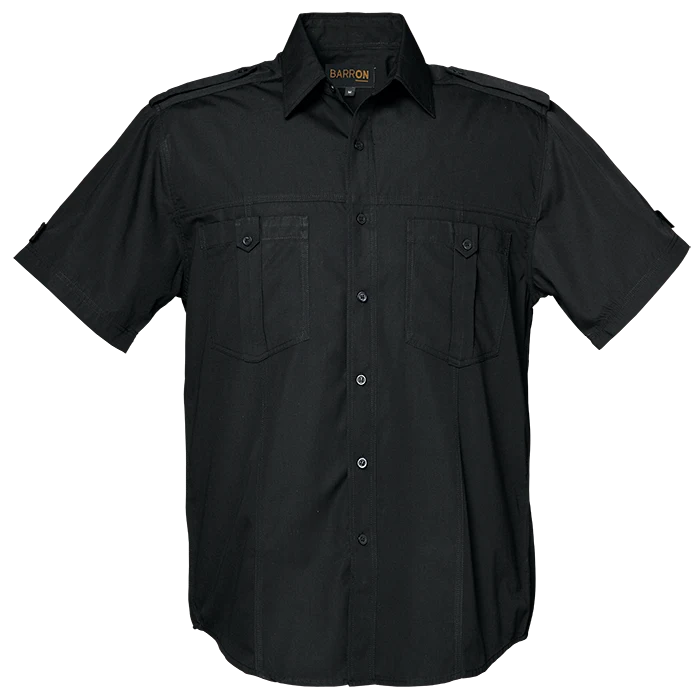
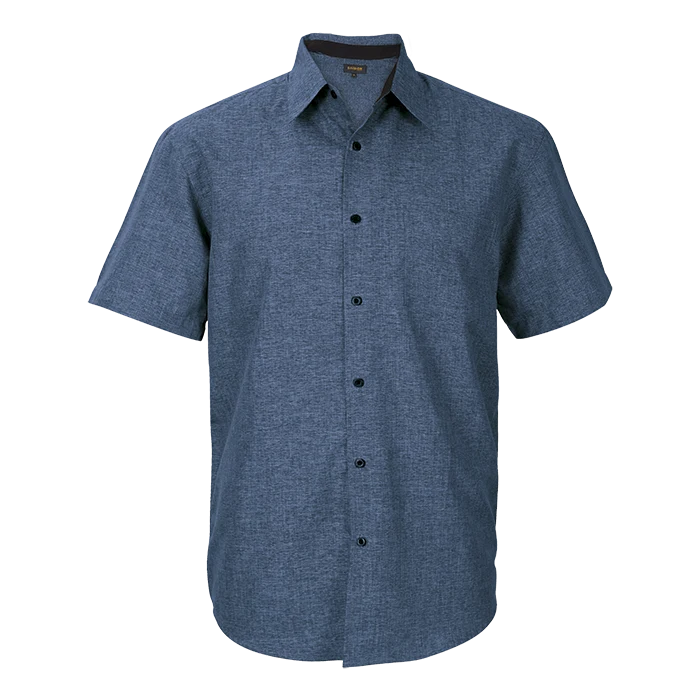
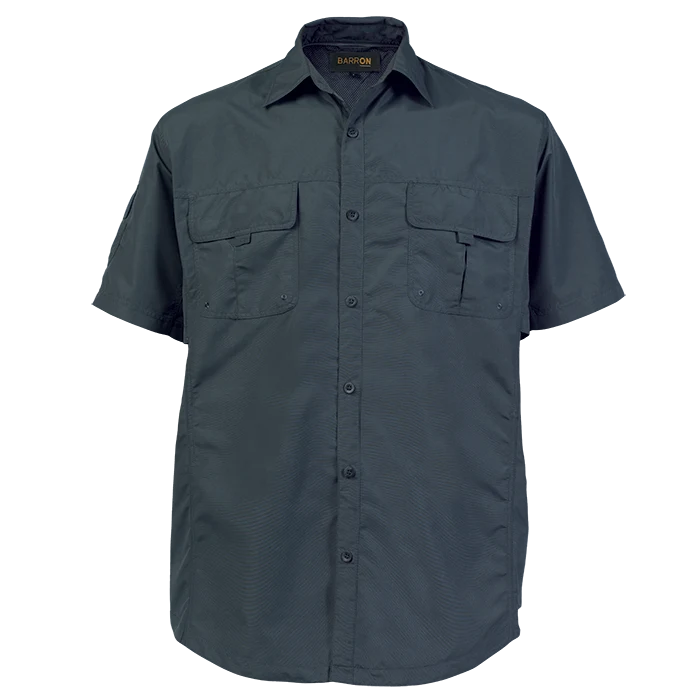
| Mens Short Sleeve Shirts | Short-sleeve shirt formats for team and office wardrobes. Confirm collar details, fit and fabric composition for the chosen model. |
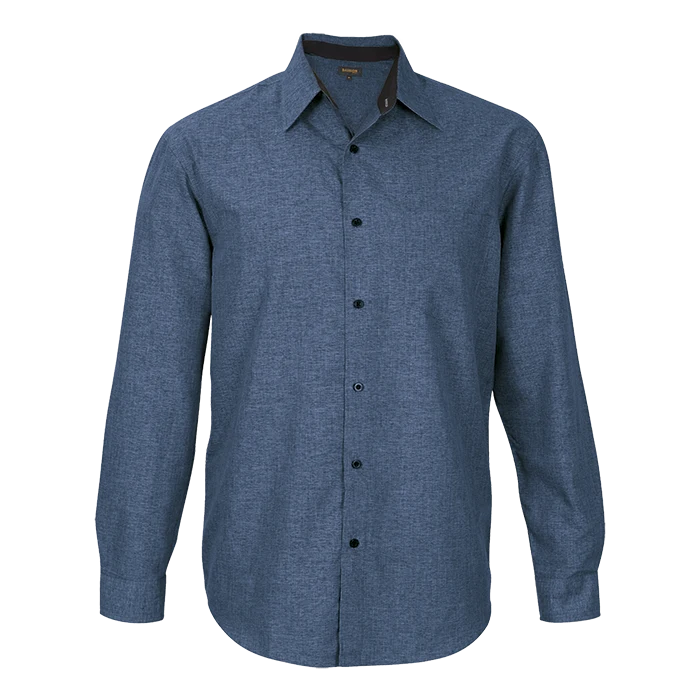
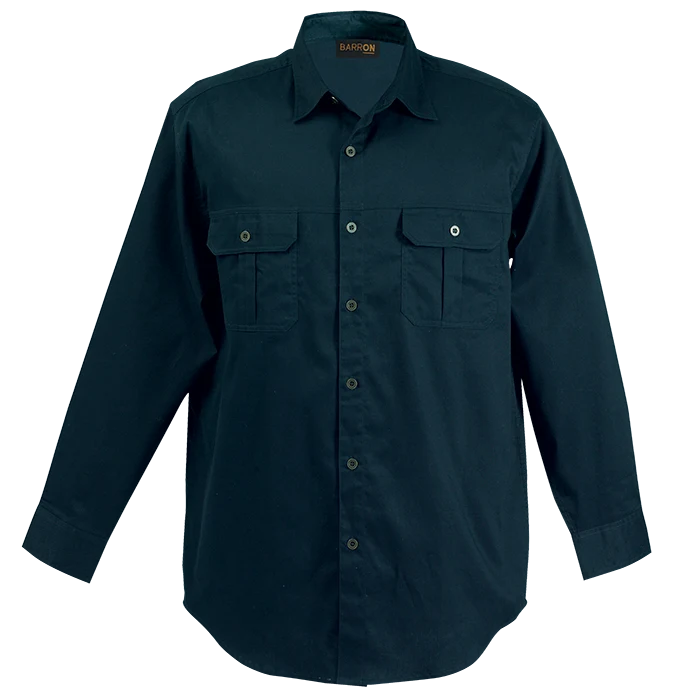
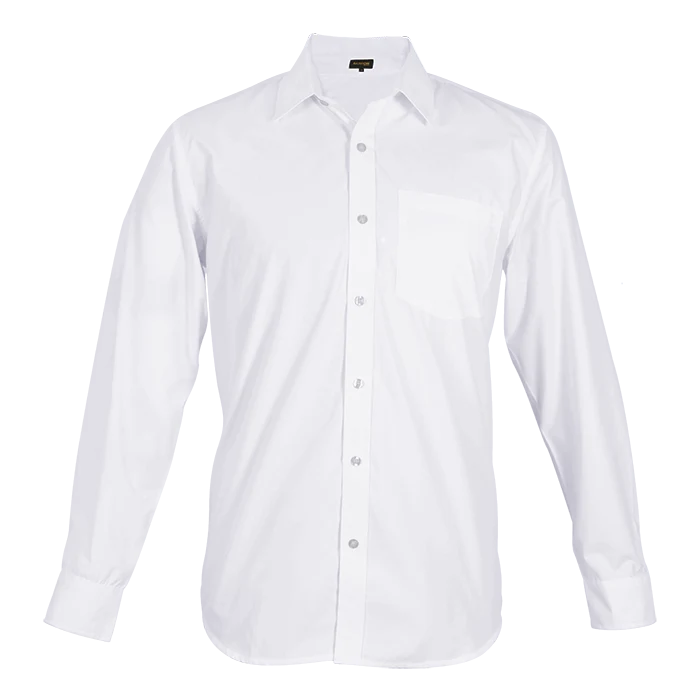
| Mens Long Sleeve Shirts | Long-sleeve office and corporate styles. Compare cuffs, collar, pockets and the available size chart before preparing an order. |
| Mens Corporate Shirts | Collared shirts for office and team wardrobes. Confirm sleeve length, fabric, fit and the available size chart for the chosen model. |
Useful reading before your enquiry
- Read the fabric before choosing a uniform shirt. — Fabric composition affects the feel and care of a working shirt.
- Plan shirts per person, then collect the sizes. — A uniform order should separate the number of people from the number of garments.
- Make a corporate shirt logo look deliberate. — A restrained logo can sit comfortably within an office dress code.
Artwork and branding requirements · Ordering and delivery arrangements · Speak to the team