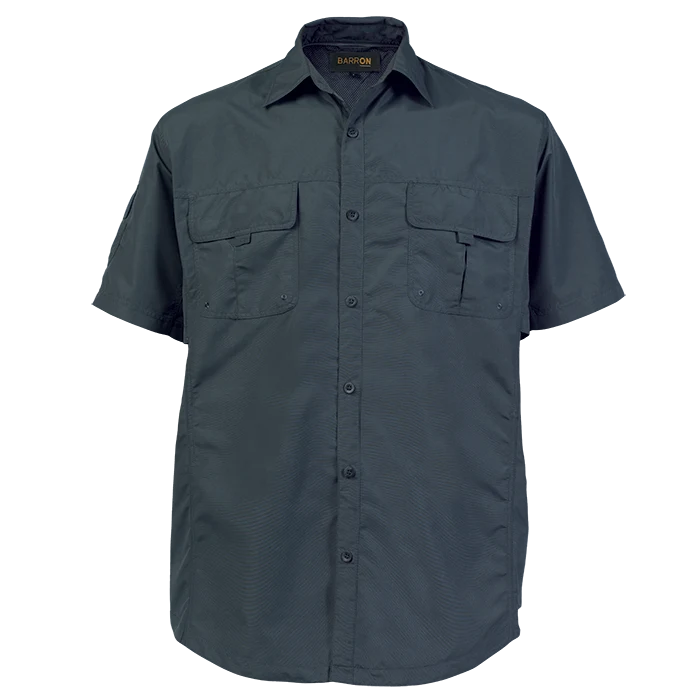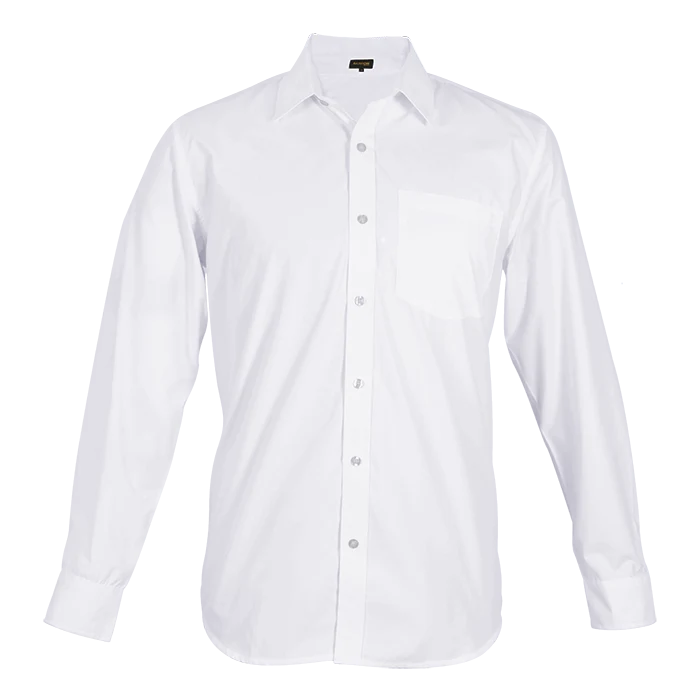
Build an office-shirt wardrobe around fit, fabric and the team’s daily routine. Keep the same approved model and artwork references across the size allocation.
Compare the whole shirt
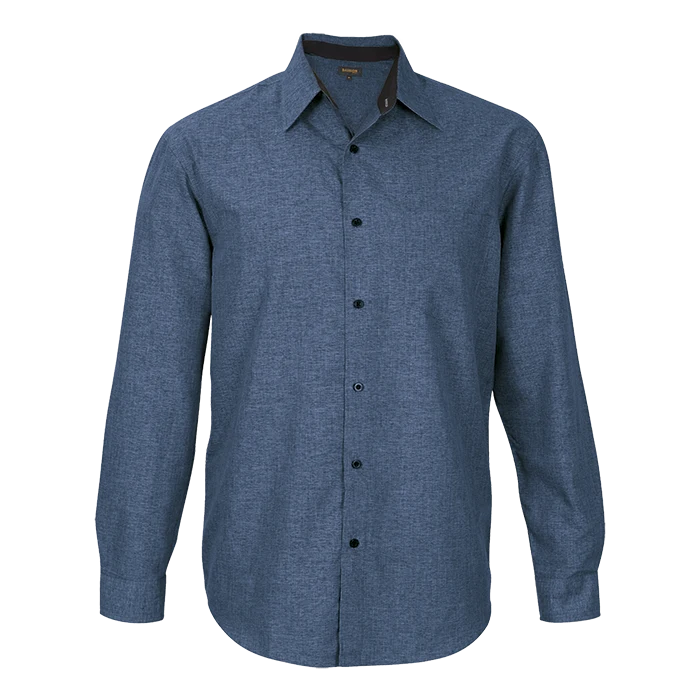
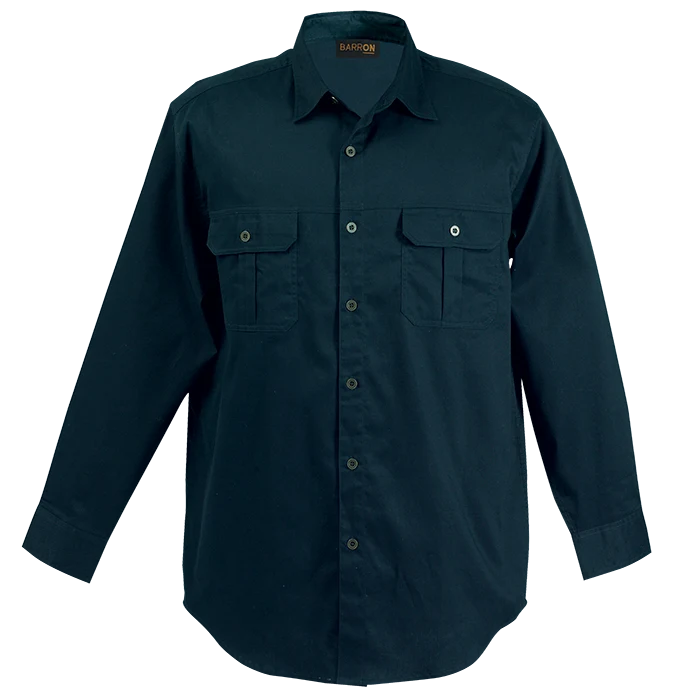
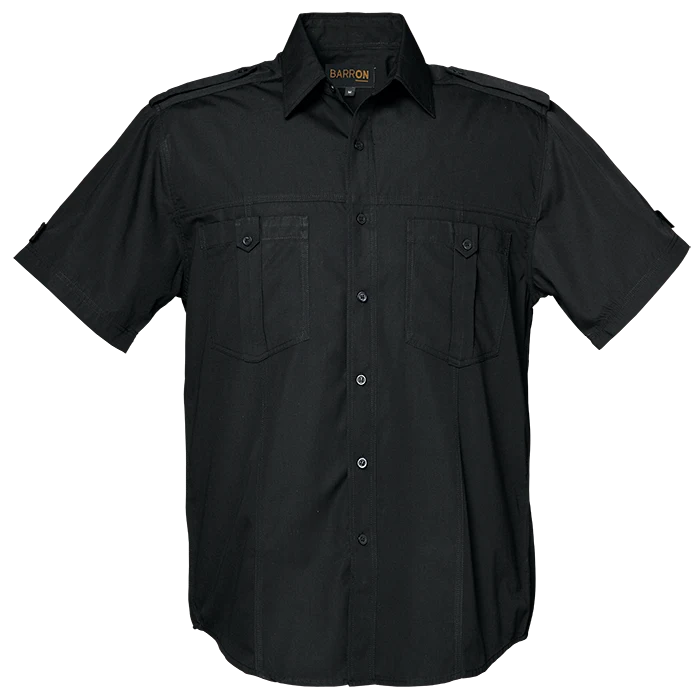
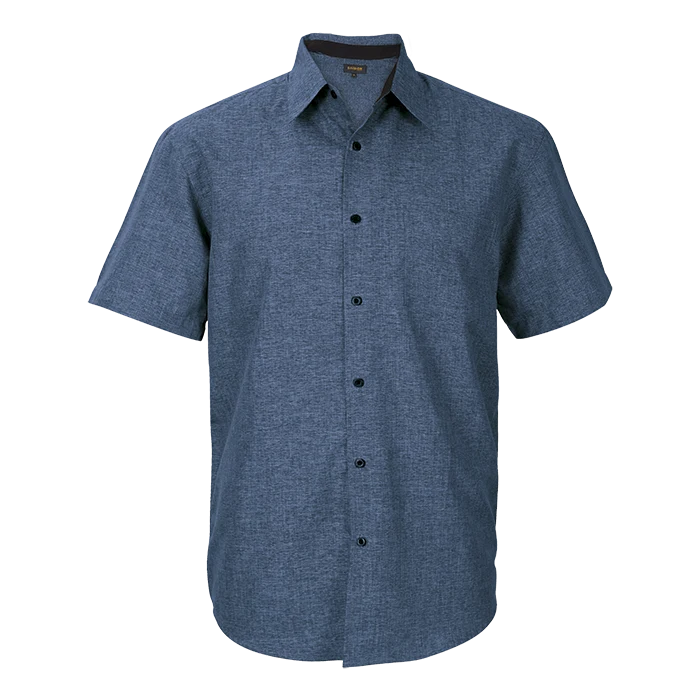
Collar shape, cuffs, pockets and sleeve length can matter as much as colour. Check the catalogue details and request missing composition or measurement information. Choose a style that suits the team’s dress expectations before adding branding.
Get a model-specific fit decision
Garment sizes are not identical across brands or cuts. Use the size chart for the selected model and consider the wearer’s preferred fit. Tell us if a trial sample or a specification check is needed before confirming a large uniform order.
Keep branding restrained and consistent
A small chest mark and a sleeve mark use different available areas. Confirm the method, colours and positioning on the actual shirt. Record the approved version for new starters, while checking current stock and model availability on each repeat enquiry.
Compare catalogue formats
| Range | What to compare |
|---|---|
| Mens Short Sleeve Shirts | Short-sleeve shirt formats for team and office wardrobes. Confirm collar details, fit and fabric composition for the chosen model. |
| Mens Long Sleeve Shirts | Long-sleeve office and corporate styles. Compare cuffs, collar, pockets and the available size chart before preparing an order. |
| Mens Corporate Shirts | Collared shirts for office and team wardrobes. Confirm sleeve length, fabric, fit and the available size chart for the chosen model. |
Useful reading before your enquiry
- Read the fabric before choosing a uniform shirt. — Fabric composition affects the feel and care of a working shirt.
- Plan shirts per person, then collect the sizes. — A uniform order should separate the number of people from the number of garments.
- Make a corporate shirt logo look deliberate. — A restrained logo can sit comfortably within an office dress code.
Artwork and branding requirements · Ordering and delivery arrangements · Speak to the team